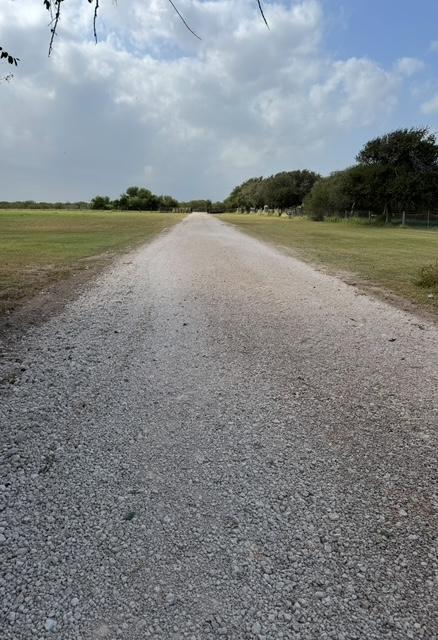
Choosing the Best Caliche Driveway Contractor near San Patricio County, Texas
Caliche Driveways in San Patricio County, Texas: What Homeowners Need to Know
You’re looking at your property and thinking, “I just need a solid driveway that won’t drain my budget.” Maybe the road in is dusty, rutted, and rough on your truck. Maybe the rain cuts channels that swallow a tire. If this sounds familiar, you’re not alone. Many homeowners and landowners in San Patricio County want something dependable that fits the South Texas climate and soil.
At B5 General Contracting LLC, based in Alice and serving San Patricio, Nueces, Jim Wells, Live Oak, Duval, Kleberg, and Aransas counties, we hear this every week. You want a driveway that works in real life, not just on a bid sheet. You want a contractor who shows up, explains the plan in plain English, and builds it right the first time. This guide will help you pick that contractor and know exactly what to ask for.
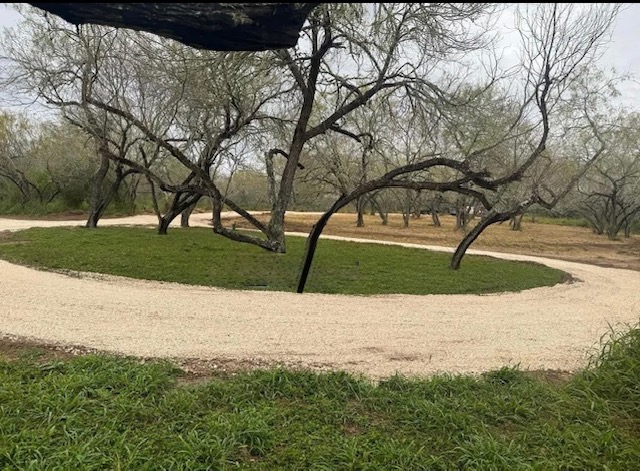
Why Choose Caliche for Rural and Coastal Texas Driveways
Caliche is a natural, calcium-rich material common in South Texas. When placed and compacted the right way, it bonds into a firm surface. It is cost-effective, fast to install, and easy to repair. That is why ranch roads, oilfield leases, and country homes use it.
Here’s why caliche fits our area:
It compacts tight under a roller and forms a strong base.
It is more affordable than asphalt or concrete for long stretches.
Repairs are simple. You can regrade, add fresh material, and compact again.
It blends with the landscape, which many property owners prefer.
Caliche is not magic. If you skip drainage or compaction, it will rut and wash out. The material is good, but the build is what makes it last.
How to Choose the Best Caliche Driveway Contractor in San Patricio County
Pick a contractor the same way you would pick a guide on a tough hunt. You want someone who knows the land, reads the weather, and has a proven plan. Look for:
Local experience on county and ranch roads
Clear, written scope with exact inches of base and surface
Haul tickets or material source listed
A compaction plan with named equipment
A drainage plan with slopes and outlets
If a contractor cannot explain these pieces, keep looking.
Licensed, Insured, and Local: Contractor Qualifications That Matter
A good contractor carries general liability insurance and workers’ compensation. Ask for certificates. Check that the business name on the certificate matches the name on the estimate.
Local matters here. In our region, sea breeze, salt air, and sudden downpours change the job. A local crew understands soil pockets that stay soft, which borrow pits produce better caliche, and which haul routes hold up after a storm.
Caliche Driveway Cost in San Patricio County: What Affects the Price
Cost is not just material times distance. Five things move the number up or down:
Access and length. Narrow gates, trees, and ditches add machine time.
Existing soil. Soft or clay-heavy areas may need thicker base or fabric.
Slope and drainage. Crowns, swales, and culverts add to the scope.
Compaction passes. More roller passes cost more, but they save you later.
Finish choices. Edge shaping, cattle guards, turnouts, and parking pads add value and cost.
A responsible estimate explains these factors line by line. Beware of round-number bids with no detail. Cheap now can be expensive after the first big rain.
Bids and Estimates: How to Compare Apples to Apples
Ask every bidder to price the same spec. That way the low bid is truly comparable to the others.
Use this template:
Clear path length and width in feet
Vegetation clearing and stripping depth
Geotextile fabric yes or no, and where
Base course depth in compacted inches
Surface course depth in compacted inches
Caliche source and type
Compaction equipment and targeted passes
Crown slope or crossfall percent
Drainage features and outlet locations
Mobilization, fuel, and haul distance
Warranty and maintenance visit, if any
When all contractors bid the same spec, you can judge quality and price fairly.
Site Visit Checklist: Questions to Ask Before You Hire
When the contractor walks your property, ask:
Where will water go after a heavy rain?
Do we need a crown or will a single cross slope handle it?
Are there soft spots that need undercutting or fabric?
What caliche source will you use and why?
How many roller passes are planned for base and surface?
What is the plan for dust during and after construction?
How long should I wait before heavy deliveries drive on it?
Good contractors answer these right away. If they avoid these questions, that is your red flag.
Soil, Drainage, and Base Prep: The Work That Makes a Driveway Last
Think of a driveway like a roof that lies flat. If you do not move water, it will find the weak spots. A lasting caliche driveway needs three things:
A firm subgrade. Strip organics, undercut mud pockets, and compact the subgrade.
A proper base. Place base in lifts. Compact each lift with a roller before adding more.
A way out for water. Add a crown or cross slope and create ditches or swales to carry water to an outlet. Use culverts where you cross flow paths.
Shortcuts here cause most failures.
Haul Routes, Material Quality, and Compaction: Getting Caliche Right
Not all caliche is equal. Some pits produce material with good fines and binders. Others are more loose and dusty. Strong material plus proper compaction gives you the hard, broom-finished surface homeowners like.
Compaction basics:
Moisture matters. Slightly damp caliche compacts better than bone-dry.
Thin lifts compact deeper and tighter.
A smooth drum roller sets the surface. A padfoot helps knit the base.
Ask your contractor to list the roller type and planned passes in writing.
Dust Control, Washouts, and Ruts: Common Problems and Simple Fixes
Dust: Expect some dust in dry months. We can add water during compaction, blend a tighter surface mix, or apply an approved dust palliative after cure.
Washouts: Usually a drainage issue. We fix by shaping the crown, adding a turnout, or setting a small culvert.
Ruts: Often from heavy trucks turning in the same spot. We recommend thicker base at the entrance and any parking area, then re-rolling after initial traffic.
A driveway is not a one-time event. A small tune-up once a year keeps it strong.
Caliche vs. Gravel vs. Limestone vs. Asphalt: Which Fits Your Property
Caliche: Best balance of cost, speed, and strength for long rural runs. Easy to repair and blends with the land.
Gravel: Drains well but can stay loose unless confined. Good for short drives and budget builds.
Limestone: Hard and stable when compacted. Higher cost in some parts but very durable.
Asphalt: Smooth and clean. Highest upfront cost and needs edge support and base prep.
For many San Patricio County properties, caliche is the sweet spot. For boat storage, heavy equipment, or tight subdivisions, asphalt or limestone base with a top treatment may make more sense. Your contractor should explain the tradeoffs, not push one answer for every site.
Permits, Easements, and County Guidelines in San Patricio County
Most private driveways do not need a building permit, but access on county right-of-way or tie-ins to ditches can require approval. If you cross a drainage path, a culvert size may be specified. If your driveway meets a paved road, you may need an apron built to a certain standard.
A good contractor helps you check these items and will coordinate with the county when needed. It avoids headaches later.
Timeline and Crew: How Long Your Caliche Driveway Should Take
Every site is different, but here is a simple timeline for a typical residential drive:
Day 1: Clearing, rough grading, and subgrade compaction
Day 2: Base delivery, placement in lifts, and compaction
Day 3: Surface course placement and final rolling
Day 4: Touch-ups, edges, and drainage shaping
Weather, length, or extra drainage work can add days. We build the timeline into the estimate so you can plan deliveries and move-ins.
Warranties, Maintenance, and Seasonal Care in Coastal Texas
We are careful with promises. Caliche is a natural material and water is powerful. What we can promise is a sound build, a clear plan to move water, and a maintenance routine you can count on.
Simple care tips:
Keep ditches and outlets open before rainy season
Avoid tight turns from heavy trucks on fresh surfaces
Touch up with a light regrade and roll once a year
After big storms, walk the drive and note any low spots early
Ask your contractor if they offer a 30 or 60 day follow-up. A quick pass with a blade and roller after the first traffic settles the surface and adds years to the life.
Red Flags: Signs a Contractor Isn’t the Right Fit
Won’t provide insurance certificates
No written scope with depths and passes
Says fabric is “never needed” or “always needed” without looking at your soil
Refuses to discuss drainage or culverts
Only takes cash or wants full payment before mobilization
Won’t give you local references or addresses to view
A strong contractor is proud to show their work and explain their process.
Photo Proof and Reviews: How to Judge Real-World Results
Ask for three things:
Before and after photos with dates
Addresses of jobs you can drive by
References you can call
When you drive by, look for a smooth, tight surface with a slight crown, clean ditches, and stable edges. If it looks wavy or holds water, that is a sign of poor compaction or grading.
Service Area and Response Time: Nueces, Jim Wells, San Patricio, Live Oak, Duval, Kleberg, and Aransas
Distance affects cost and response time. We plan haul routes to protect your fresh surface and reduce trucking delays. Serving multiple counties keeps our crews sharp and available, but we schedule so your project gets full attention from start to finish.
Why Homeowners Near Alice, Texas Choose B5 General Contracting LLC
We are not the biggest outfit. We are the crew that does the details. Here is how we work:
We walk the site with you and flag problem spots together
We write a clear scope with depths, passes, slopes, and drainage outlets
We source caliche from pits we trust and verify moisture during compaction
We shape edges and turnouts so water leaves the driveway, not sits on it
We do a follow-up check after the first good rain if you want it
That is how we earn referrals in San Patricio County and across South Texas.
Getting Started: Request a Site Visit and Written Estimate
If you are ready to build or upgrade your driveway, here is a simple path:
Call or message us with your address, gate width, and rough length
On-site visit to check soils, drainage, and access
Written scope and price with clear depths, passes, and timeline
Build dates on the calendar and material scheduled
Walk-through on completion and maintenance tips you can use
You deserve a driveway that holds up in real weather and real life. Caliche can do that when it is planned and built the right way.
Quick Buyer’s Checklist You Can Print
Insurance certificate in your name
Written scope with compacted depths
Caliche source and haul plan listed
Roller type and planned passes
Crown or cross slope shown on drawing
Drainage outlets and culvert sizes identified
Start date, crew size, and duration
Final price with taxes, fuel, and mobilization
Warranty or follow-up visit terms
Three local references
Choosing the right contractor is not about fancy talk. It is about clear steps, solid material, and a driveway that survives the first big storm. If you want a caliche driveway in San Patricio County that looks good and lasts, we would be honored to help. We are based in Alice and serve Nueces, Jim Wells, San Patricio, Live Oak, Duval, Kleberg, and Aransas counties.
Tell us what you need, and we will build a plan that fits your property, your timeline, and your budget.
